2nd Lt. Gilbert A. Rauh - Continued
.
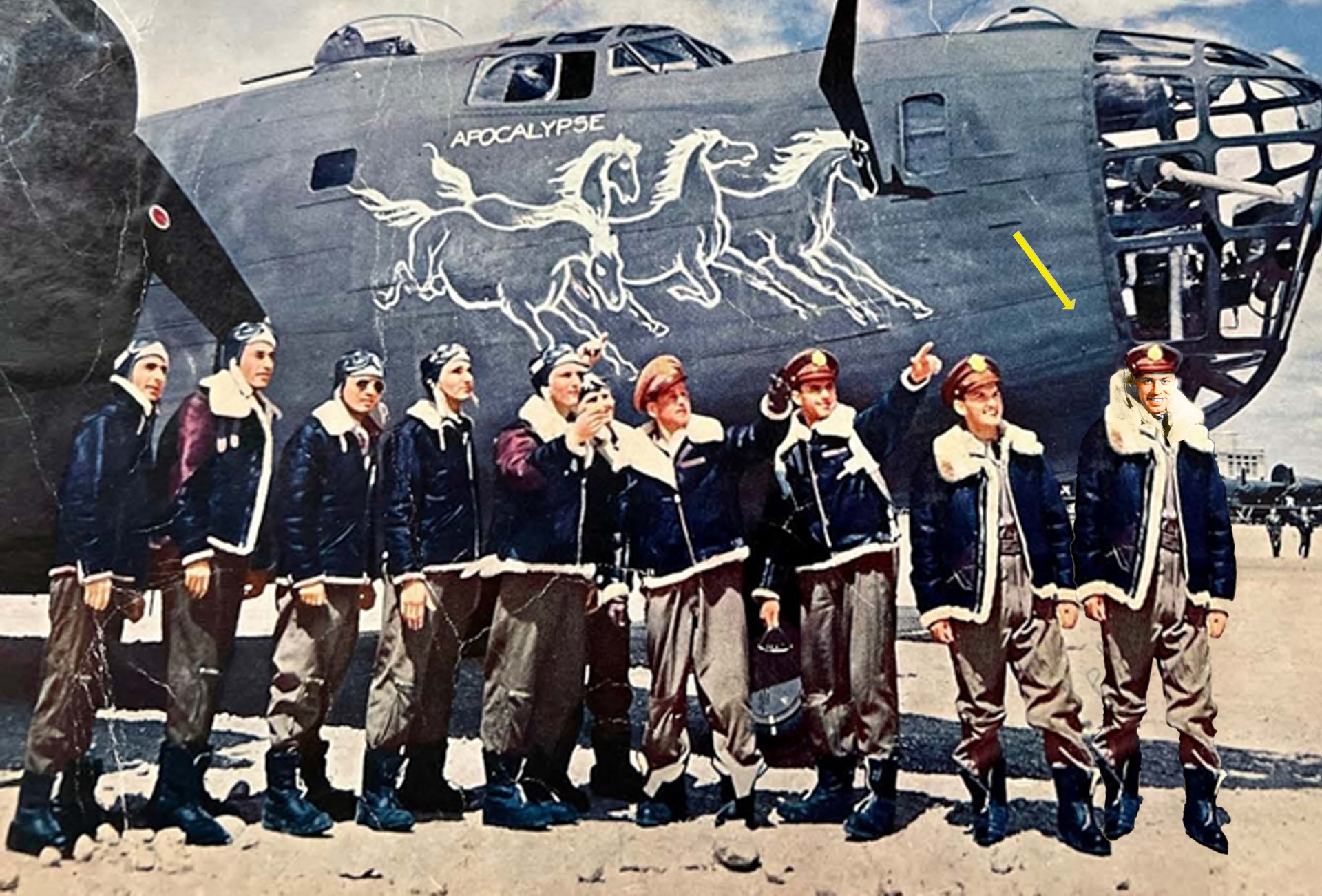 On December 1, 1943, Gibby departed on what would become his tenth mission, targeting the Insein Rail Yards near Rangoon, Burma. Unknown to the American aircrews, Japanese fighter and antiaircraft defenses had been dramatically reinforced during the preceding days. After bombs away, Apocalypse was struck by antiaircraft fire and fell behind the formation. Witnesses watched as the damaged bomber disappeared into a cloud bank pursued by three Japanese fighters. It was never seen again. For more than eighty years, Gilbert Rauh and his crew were listed as Missing in Action, their names engraved on the Tablets of the Missing at the Manila American Cemetery and Memorial. Later research—including Japanese combat records and eyewitness accounts—revealed that the crippled bomber had been relentlessly attacked until it was destroyed, bringing to an end the lives of Gibby and his fellow crewmen.